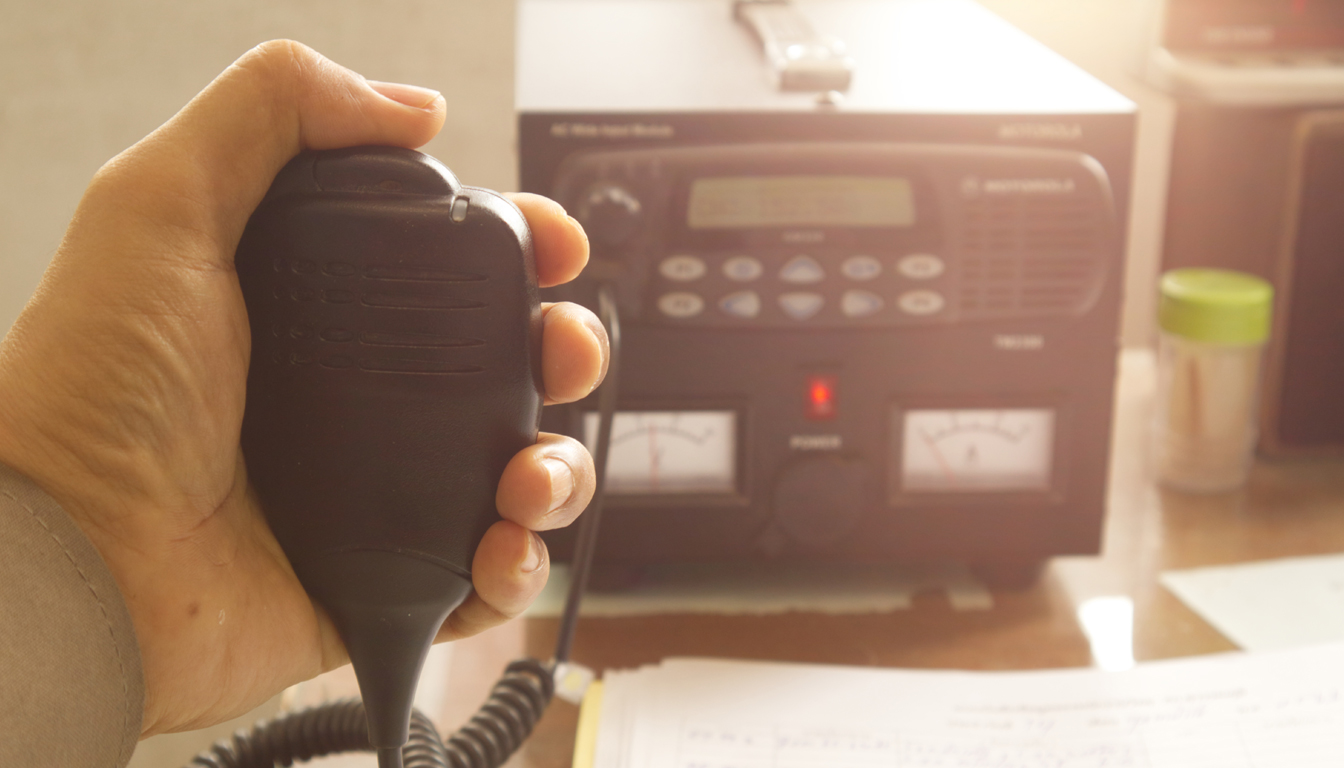
When an emergency happens inside a large building, communication is everything. Firefighters, police officers, and medical teams rely on radios to coordinate their response. If those radios fail inside stairwells, basements, or concrete structures, lives can be put at risk.
That is where ERCES comes in.
An ERCES system strengthens radio signals inside buildings so first responders can communicate clearly during emergencies. Once considered a specialized add-on, these systems are now required in many commercial properties across the United States. Codes have evolved. Expectations have changed. Building owners can no longer treat in-building radio coverage as optional.
For property managers, developers, and business owners, understanding ERCES is part of modern safety planning. Here is what it is, how it works, and why it has become essential.
What Is ERCES?
ERCES stands for Emergency Responder Communication Enhancement System. It is sometimes referred to as a public safety distributed antenna system or in-building radio enhancement system.
In simple terms, it boosts public safety radio signals inside structures where normal coverage is weak or blocked.
Buildings made of concrete, steel, low-emissivity glass, and other dense materials can interfere with radio frequencies. Underground parking garages, high-rise stairwells, and mechanical rooms are especially prone to signal loss.
An ERCES setup typically includes:
- A donor antenna on the roof to capture the external public safety signal
- Bi-directional amplifiers to strengthen the signal
- Interior antennas distributed throughout the building
- Backup power to ensure operation during outages
The goal is clear communication for emergency personnel at all times, including during fires or power failures.
Why Communication Inside Buildings Fails
Modern construction methods improve energy efficiency and structural strength. At the same time, they often reduce radio signal penetration.
Several factors contribute to poor in-building radio coverage:
- Reinforced concrete and steel framing
- Energy-efficient windows with metallic coatings
- Underground levels and thick fire-rated walls
- Large building footprints
In many cases, first responders may experience dead zones inside certain areas. That can slow down rescue efforts and increase risk.
According to the National Fire Protection Association, reliable communication is a critical component of firefighter safety. This is reflected in NFPA 72 and the International Fire Code, both of which address requirements for in-building radio coverage in new and existing structures when signal strength does not meet minimum thresholds.
How Codes and Standards Have Changed
Over the past decade, building and fire codes have expanded requirements related to emergency responder radio coverage.
The International Fire Code includes provisions that require testing of public safety radio signal strength inside certain commercial buildings. If the signal does not meet required levels, an approved enhancement system must be installed.
These requirements are now common in:
- High-rise office buildings
- Hospitals and healthcare facilities
- Schools and universities
- Hotels and large residential complexes
- Warehouses and manufacturing plants
Local authorities having jurisdiction determine enforcement details. However, the trend is clear. If a building fails signal testing, corrective measures are mandatory.
For property owners, this means planning for ERCES during design or retrofitting existing properties to meet updated standards.
What an ERCES Installation Involves
An ERCES installation is not a simple plug-and-play project. It requires careful coordination with fire officials, engineers, and licensed contractors.
The typical process includes:
1. Signal Testing
Technicians perform a radio frequency survey throughout the building. This measures signal strength in different areas, including stairwells, mechanical rooms, and parking garages.
If coverage falls below required thresholds, the building will need an enhancement system.
2. System Design
Engineers design a layout tailored to the structure. This includes selecting amplifier capacity, antenna placement, cable routing, and backup power configuration.
Proper design ensures compliance with fire code and NFPA standards.
3. Installation and Integration
Qualified technicians install the donor antenna, amplifiers, interior antennas, and battery backup components. The system is integrated with fire alarm monitoring in many cases, so faults are reported promptly.
4. Testing and Approval
After installation, the system undergoes acceptance testing. Local fire officials verify that required coverage levels are achieved.
Because these systems affect life safety, professional expertise is essential. Coordination with other building systems such as fire alarm system installation and sprinkler monitoring may also be required.
Why ERCES Is No Longer Optional
There are several reasons ERCES has moved from optional upgrade to necessary infrastructure.
Stricter Code Enforcement
Fire departments and inspectors are increasingly enforcing in-building radio coverage requirements. Certificates of occupancy may depend on passing signal tests.
Liability Concerns
In an emergency, communication failures can lead to serious consequences. Building owners who ignore known coverage gaps may face increased liability exposure.
Tenant Expectations
Businesses leasing commercial space expect strong safety standards. Reliable communication systems are part of broader commercial fire safety planning.
Complex Building Designs
As structures grow larger and more energy-efficient, natural radio penetration becomes less reliable. Enhancement systems bridge that gap.
Simply put, modern buildings often need technology to ensure responders can do their jobs safely.
Maintenance and Ongoing Compliance
Installing a system is only part of the responsibility. Ongoing maintenance and inspection are required to keep it functioning properly.
Typical requirements include:
- Annual testing of signal strength
- Regular inspection of amplifiers and antennas
- Verification of battery backup performance
- Monitoring for system faults
ERCES components must remain operational even during power outages. Backup batteries are often required to provide several hours of operation under emergency conditions.
Building owners who already schedule fire protection system maintenance can often coordinate ERCES inspections as part of a broader safety compliance plan.
Documentation is important. Records of testing and repairs should be maintained for review by authorities.
ERCES in Georgia and Growing Local Requirements
Many jurisdictions across Georgia have adopted updated fire codes that address emergency responder radio coverage. In larger cities and expanding commercial areas, enforcement has become more consistent.
Property developers planning new projects in metropolitan regions may encounter requirements for ERCES system Atlanta installations during the design phase. Early coordination with engineers and fire officials can prevent delays later.
For existing buildings, signal testing may be triggered by renovations, change of occupancy, or periodic inspections.
Working with experienced professionals who understand both state and local code expectations helps streamline the process.
Common Misconceptions About ERCES
Despite its growing importance, there are still misunderstandings about these systems.
“My Cell Phone Works Fine”
ERCES is designed for public safety radio frequencies, not commercial cellular service. A strong mobile signal does not guarantee adequate first responder radio coverage.
“Only High-Rise Buildings Need It”
While tall structures often require enhancement systems, large single-story warehouses, schools, and healthcare facilities may also fail signal testing.
“It Is a One-Time Project”
Like other life safety systems, ERCES requires ongoing inspection and documentation.
Understanding these points helps owners plan realistically.
Integrating ERCES Into a Broader Safety Strategy
ERCES should not be viewed in isolation. It is part of a comprehensive life safety framework that may include:
- Fire alarm systems
- Sprinkler protection
- Emergency lighting
- Suppression systems
- Routine safety inspections
When these systems work together, they create a safer environment for occupants and emergency responders alike.
During new construction, integrating ERCES planning with other safety systems can reduce overall costs and prevent last-minute modifications.
For existing properties, upgrading multiple systems at once may simplify scheduling and minimize disruption.
Planning Ahead Saves Time and Money
Waiting until an inspection reveals a coverage issue can lead to delays and unplanned expenses. Proactive testing and early evaluation are more efficient.
If you are developing a commercial property, renovating a facility, or reviewing compliance status, consider scheduling a radio coverage assessment before it becomes urgent.
Understanding requirements early helps you:
- Budget accurately
- Avoid construction delays
- Protect tenants and staff
- Reduce legal risk
Life safety systems are investments in both people and property. Clear communication during emergencies is not a luxury. It is a necessity.
Elves Co works with businesses and property owners to support code-compliant safety solutions, including modern ERCES systems and related life safety infrastructure. If you want guidance on planning, installation, or ongoing compliance, visit https://elvesco.com/ to connect with a knowledgeable team and take the next step toward a safer building.