A fire alarm system is one of the most important investments you’ll make in your commercial property, yet it’s often the piece of infrastructure people think about least until something goes wrong. Whether you manage an office building, retail space, warehouse, or multi-tenant property in Georgia, understanding how your fire alarm system works, what keeps it compliant, and why regular testing matters can mean the difference between a contained incident and a catastrophic loss.
Why Fire Alarm Systems Are A Non-Negotiable
Commercial fire alarm systems exist to do one job exceptionally well: detect danger early and alert everyone in the building before a small problem becomes a life-threatening emergency. Beyond life safety, these systems are also a legal requirement. Local and state fire codes mandate specific installation standards, inspection schedules, and documentation for nearly every type of commercial occupancy. Skipping these requirements doesn’t just put people at risk — it exposes property owners to fines, failed inspections, and potential liability if an incident occurs.
A properly functioning fire alarm system also plays a critical role in insurance compliance. Many commercial policies require proof of a functioning, code-compliant fire alarm system, and a lapse in maintenance can complicate claims after a fire-related loss.
Core Components of a Commercial Fire Alarm System
Understanding the basic anatomy of your system helps you spot problems before they become violations.
- Fire alarm control panel (FACP): The brain of the system, monitoring every connected device and triggering alarms when a hazard is detected.
- Smoke and heat detectors: Positioned throughout the building to sense early signs of fire.
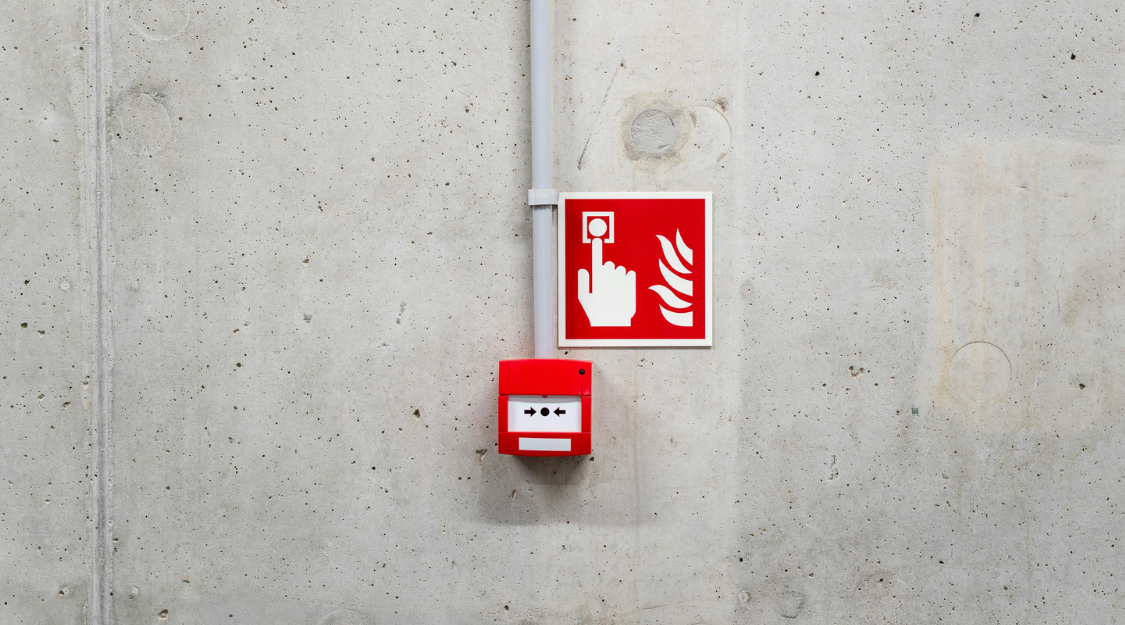
- Pull stations: Manual activation points that allow occupants to trigger an alarm immediately.
- Notification appliances: Horns, strobes, and speakers that alert everyone in the building to evacuate.
- Monitoring connection: A link to a central monitoring station or directly to the fire department, ensuring help is dispatched even if no one is on-site.
Each of these components depends on stable electrical service and proper integration to function as intended. A weak connection or outdated wiring anywhere in the chain can compromise the entire system.
What Fire Alarm Inspections and Testing Involve
Routine fire alarm service typically includes a full functional test of every device on the system, verification of the control panel’s programming, battery load testing, and confirmation that the system properly communicates with monitoring services or first responders. Inspectors also check that notification devices meet audibility and visibility standards throughout the building, including areas that may have changed due to renovations or new tenant build-outs.
Documentation matters just as much as the testing itself. Fire marshals and insurance providers will often request inspection records, and missing or incomplete documentation can result in failed inspections even if the system itself is functioning properly.
Where Fire Alarm Failures Really Start: Your Electrical Infrastructure
Your fire alarm system is only as good as its weakest connection, and that connection is often tied directly to the health of your building’s broader electrical infrastructure. Outdated wiring, overloaded panels, or deferred maintenance elsewhere in your facility can quietly undermine even a well-designed fire alarm system.
Partnering with a team that understands both the electrical and fire safety sides of your building gives you a single point of accountability instead of guessing whether problems lie in your wiring, your panel, or your devices. Scheduled fire alarm testing and inspections, paired with proactive electrical maintenance, give you the strongest possible defense against both code violations and real emergencies.
Schedule a fire alarm inspection today to confirm your system is fully compliant, properly integrated with your building’s electrical infrastructure, and ready to protect your people when it matters most.